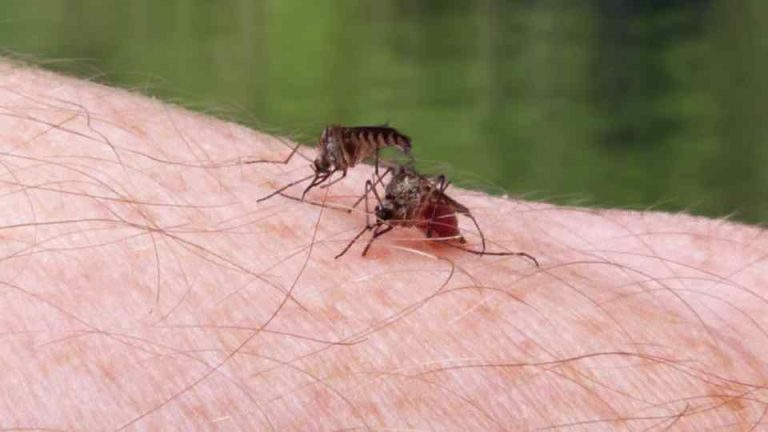
Chikungunya is a mosquito-borne viral illness marked by sudden fever and severe, often debilitating joint pain, sometimes accompanied by headache, muscle pain, swelling, and a skin rash, caused by the chikungunya virus. It is spread mainly through the bite of an infected Aedes mosquito, with humans acting as the primary host during outbreaks. Outbreaks tend to occur in tropical and subtropical parts of the world where these mosquitoes thrive, a situation common across much of Africa, Asia, the Indian subcontinent, and, more recently, the Americas and parts of Europe. The level of risk to travellers varies considerably depending on where and when they visit, though certain factors, such as long periods spent outdoors, staying somewhere without proper mosquito screening, or travelling during periods of active local transmission, can raise the chances of infection. Those visiting urban and semi-urban areas in countries where outbreaks are occurring, particularly during the wetter months when mosquito populations are highest, face a greater risk of contracting chikungunya.