


Tuberculosis Vaccine
Tuberculosis
Tuberculosis is a bacterial disease characterised by a persistent cough, chest pain, fatigue, weight loss, and night sweats, caused by the bacterium Mycobacterium tuberculosis. It is typically contracted by inhaling airborne droplets released when an infected person coughs or sneezes, with humans being the main hosts involved in transmission. Tuberculosis cases are most commonly linked to areas with poverty, overcrowding, and limited access to healthcare, which are prevalent in many parts of Asia, Africa, and Eastern Europe. While the overall risk of tuberculosis for travellers is generally low, certain activities, such as spending extended periods in close contact with local populations, working in healthcare settings, or living in crowded or poorly ventilated conditions, can increase the likelihood of infection. Travellers spending prolonged periods in high burden countries, particularly those with close contact with local communities, are at higher risk of contracting tuberculosis.
Symptoms
Tuberculosis symptoms often develop gradually, typically beginning with a persistent cough that lasts three weeks or more, sometimes accompanied by chest pain, unexplained weight loss, fatigue, night sweats, and a mild fever. As the infection progresses, the cough may produce blood or sputum, and breathlessness can develop, particularly if the disease is left untreated. If untreated, tuberculosis can cause lasting lung damage and, in more advanced cases, spread beyond the lungs to affect other parts of the body, such as the kidneys, spine, or brain. Deaths from tuberculosis are uncommon where treatment is available, though the disease remains one of the leading infectious causes of death worldwide in areas with limited access to healthcare. It is also worth bearing in mind that many people carry the bacteria without becoming unwell, a condition known as latent tuberculosis, and only a small proportion go on to develop active disease. Recognising the symptoms of tuberculosis and seeking medical advice promptly is key to preventing complications and reducing the risk of further spread.

Vaccination
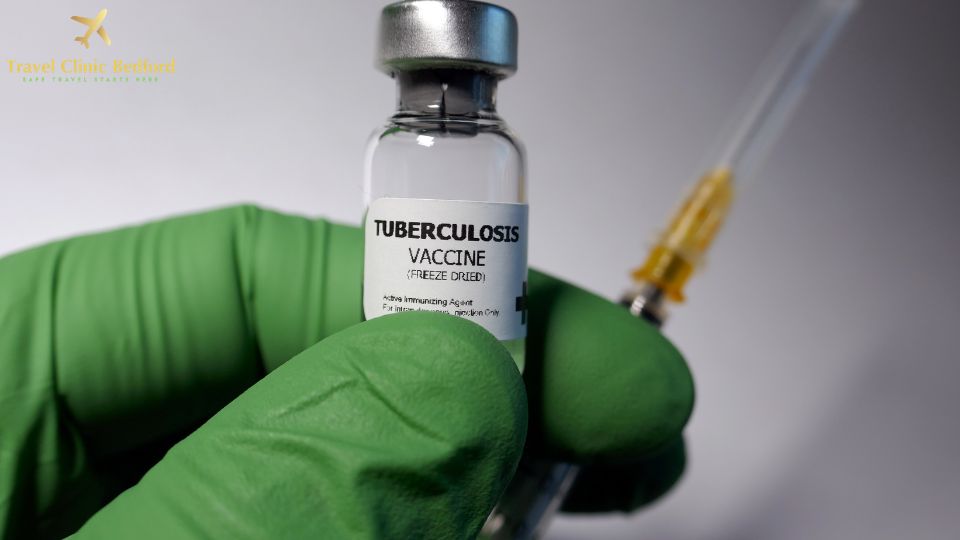
Guarding against tuberculosis starts with reducing exposure to those with active disease and, where relevant, following occupational health guidance if working in healthcare or other high-risk settings. For those at higher risk, such as long-term travellers, healthcare workers, or individuals heading to countries with high rates of tuberculosis, the BCG (Bacillus Calmette-Guérin) vaccine is available in the UK. This vaccine offers protection primarily against severe forms of tuberculosis in children and can provide some degree of added defence for adults working or living in high-risk environments. It is not routinely recommended for most travellers, but may be considered for those under 16 who are moving to or spending extended periods in a country with a high tuberculosis burden. The vaccine is given as a single injection, making it a relatively simple option for those who meet the eligibility criteria. For tailored advice, speak to a healthcare provider about whether the tuberculosis vaccine is appropriate for your circumstances.
Book Now
Book your appointment with us today to receive your Tuberculosis vaccine and other essential travel vaccinations. Let us help you travel with confidence and peace of mind.
