


Chikungunya Vaccine
Chikungunya
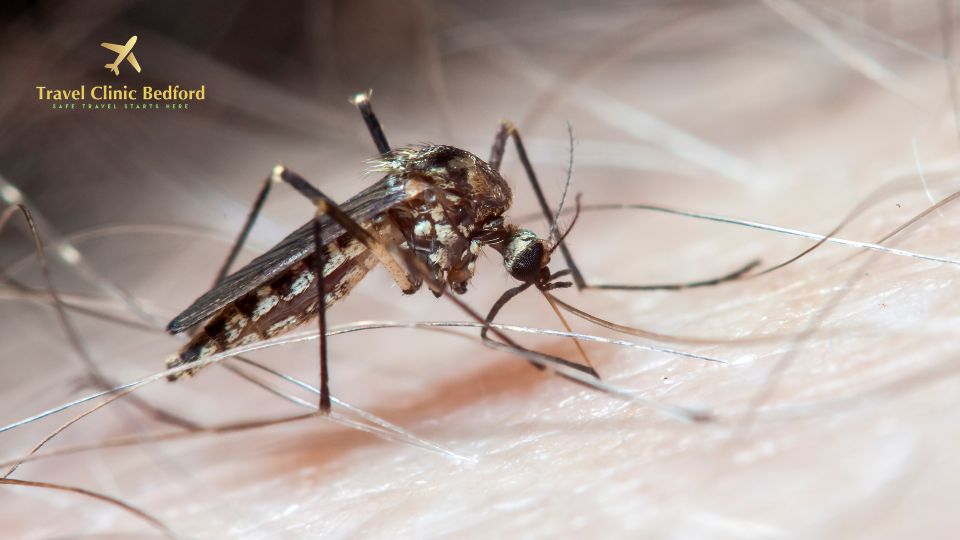
Chikungunya is a mosquito-borne viral illness marked by sudden fever and severe, often debilitating joint pain, sometimes accompanied by headache, muscle pain, swelling, and a skin rash, caused by the chikungunya virus. It is spread mainly through the bite of an infected Aedes mosquito, with humans acting as the primary host during outbreaks. Outbreaks tend to occur in tropical and subtropical parts of the world where these mosquitoes thrive, a situation common across much of Africa, Asia, the Indian subcontinent, and, more recently, the Americas and parts of Europe. The level of risk to travellers varies considerably depending on where and when they visit, though certain factors, such as long periods spent outdoors, staying somewhere without proper mosquito screening, or travelling during periods of active local transmission, can raise the chances of infection. Those visiting urban and semi-urban areas in countries where outbreaks are occurring, particularly during the wetter months when mosquito populations are highest, face a greater risk of contracting chikungunya.
Symptoms
Chikungunya symptoms tend to appear suddenly, often beginning with a sharp spike in temperature alongside severe joint pain, muscle aches, headache, and sometimes a skin rash. In most cases the illness runs its course within a week or two, though the joint pain can be intense and, for some, persist for months or even longer after the initial infection has cleared. Severe complications are uncommon but can occur, particularly in older adults or those with underlying health conditions, occasionally leading to more serious effects on the heart, nervous system, or other organs. Deaths from chikungunya are rare, though the disease can still cause significant, lasting discomfort and disability. It is also worth bearing in mind that some people may show only mild signs or none at all, yet they remain capable of passing the infection on. Recognising the symptoms of chikungunya and seeking medical advice promptly is key to managing the illness and reducing the risk of prolonged joint problems.
Vaccination
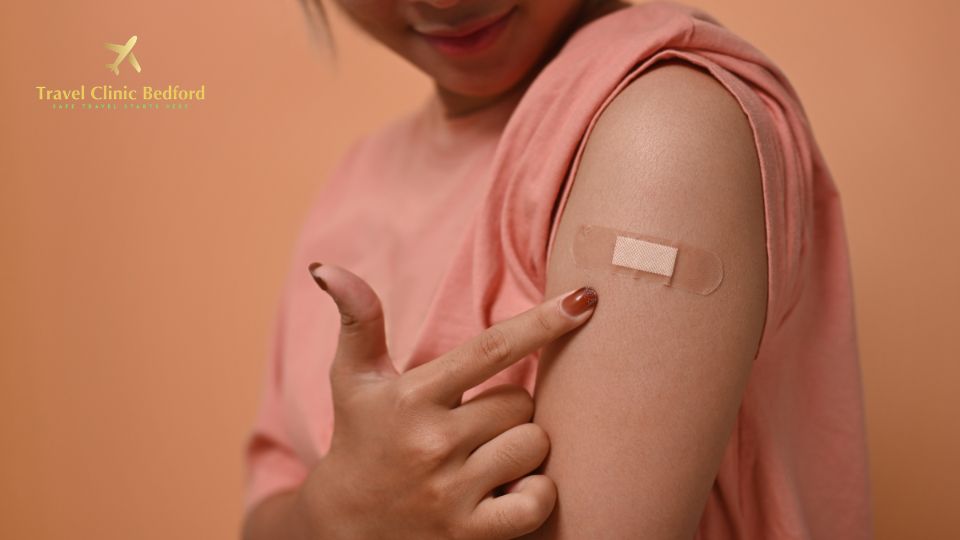
Preventing chikungunya relies heavily on avoiding mosquito bites and following guidance on protecting against insect-borne illness, such as using repellent, wearing long sleeves, and staying in accommodation with adequate screening or air conditioning. For those at higher risk, such as travellers heading to areas with active chikungunya transmission, a vaccine called Ixchiq® is available in the UK. This vaccine helps protect against the chikungunya virus and can offer added reassurance when spending extended periods in affected regions. While it is not recommended for most travellers, it may be beneficial for individuals aged 18 and over whose travel plans, age, or underlying health conditions put them at greater risk of severe disease. The vaccine is given as a single dose, making it a straightforward option for those facing significant exposure. For tailored advice, speak to a healthcare provider about whether the chikungunya vaccine is appropriate for your travel plans.
Book Now
Book your appointment with us today to receive your Chikungunya vaccine and other essential travel vaccinations. Let us help you travel with confidence and peace of mind.
