


Dengue Fever Vaccine
Dengue Fever
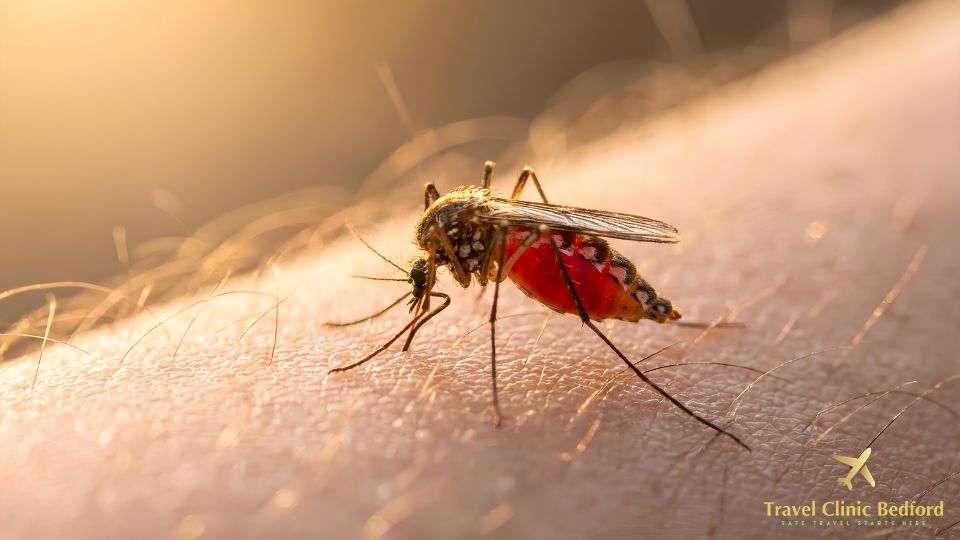
Dengue fever is a viral disease characterised by high fever, severe headache, joint and muscle pain, and skin rash, caused by any of four related dengue virus serotypes. It is typically contracted through the bite of an infected Aedes mosquito, with humans and, to a lesser extent, primates being the main hosts involved in transmission. Dengue outbreaks are most commonly linked to tropical and subtropical regions with standing water and dense human populations, which are prevalent in many parts of Asia, Africa, Central and South America, and the Pacific islands. While the overall risk of dengue for travellers varies depending on the destination and season, certain activities, such as spending extended periods outdoors, staying in accommodation without adequate mosquito screening, or travelling during peak transmission seasons, can increase the likelihood of infection. Travellers to urban and semi-urban areas in endemic countries, particularly during or after the rainy season, are at higher risk of contracting dengue.
Symptoms
Dengue symptoms tend to appear suddenly, often beginning with a sharp spike in temperature alongside intense headaches, pain behind the eyes, and aching joints and muscles. Left unmanaged, or in the more serious cases, the illness can advance to dengue haemorrhagic fever or dengue shock syndrome, resulting in internal bleeding, a sudden drop in blood pressure, and failure of the organs. At its most severe, the condition can prove fatal within days once symptoms take a turn for the worse. That said, timely medical attention greatly improves the outlook, with death rates falling to under 1% when care is given promptly. It is also worth bearing in mind that many people, especially those catching the virus for the first time, may show only mild signs or none at all, yet they remain capable of passing the infection on. Recognising the symptoms of dengue and getting medical help without delay is key to lowering the dangers posed by this serious illness.

Vaccination
Preventing dengue relies heavily on avoiding mosquito bites and following guidance on protecting against insect-borne illness, such as using repellent, wearing long sleeves, and staying in accommodation with adequate screening or air conditioning. For those at higher risk, such as travellers heading to areas with ongoing dengue transmission, a vaccine called Qdenga® is available in the UK. This vaccine helps protect against all four dengue virus serotypes and can offer added reassurance when spending extended periods in affected regions. While it is not recommended for most travellers, it may be beneficial for individuals who have previously had dengue or whose travel plans put them at greater risk. The vaccine is given as two doses, administered three months apart, making it a practical option for those facing repeated or prolonged exposure. For tailored advice, speak to a healthcare provider about whether the dengue vaccine is appropriate for your travel plans.
Book Now
Book your appointment with us today to receive your Dengue Fever vaccine and other essential travel vaccinations. Let us help you travel with confidence and peace of mind.
